
Microdose Shroom Capsules: Ingredients, Safety, and Research
microdose shroom capsules product information | microdose mushroom capsules Canada | mushroom microdose capsule reviews | microdose capsule ingredients | mushroom capsule product comparison | microdose mushroom product testing | psilocybin capsule product information | microdose shroom capsules | microdosing mushroom capsules | microdose mushroom capsules Canada | microdose capsules | psilocybin capsules | mushroom microdose capsules | psychedelic mushroom capsules | microdosing mushrooms Canada | microdose shrooms | mushroom capsules information | Shroom bros | ShroomBros | Buy Shroom bros canada | shroom bros delivery | order shroombros
What Are Microdose Shroom Capsules?
Microdose shroom capsules are products marketed in connection with mushroom microdosing. The term microdosing commonly refers to the use of quantities intended to produce subtle or minimally noticeable effects. However, there is no universally accepted definition that guarantees a particular effect or level of safety. Capsules can differ substantially in their contents. Some mushroom products contain non-psychoactive mushroom ingredients, while products marketed as psychedelic mushroom capsules may claim to contain psilocybin-containing material. Product names and packaging are not sufficient to verify these claims.
Understanding Microdosing and Scientific Research
Interest in mushroom microdosing has increased as researchers investigate psilocybin and its effects on perception, mood, cognition, and mental health. Psilocybin is a psychedelic compound that the body converts into psilocin, which interacts with serotonin receptors in the brain. Some people report perceived changes in mood, creativity, focus, or general well-being when discussing microdosing. However, personal reports do not establish that these effects are caused by the substance, nor do they demonstrate that microdosing is effective for treating a health condition.
Scientific evidence remains limited and mixed. Research is complicated by differences in study design, participant expectations, blinding, and the difficulty of separating placebo effects from pharmacological effects. Findings from supervised clinical studies involving larger psychedelic experiences also cannot automatically be applied to microdose capsules or unregulated products.
Microdosing should not be presented as a proven substitute for established mental health care. Anyone considering treatment for depression, anxiety, or another health condition should consult a qualified healthcare professional.
Ingredients and Product Transparency
The contents of a capsule matter more than its marketing name. Mushroom-related capsules may contain different mushroom materials, extracts, fillers, or other ingredients. Products marketed as psychedelic may also have uncertain concentrations or undisclosed substances. Consumers researching microdose shroom capsules should look for clear ingredient disclosures, manufacturer information, relevant warnings, and credible independent laboratory documentation where available. Laboratory reports should identify what was tested, the testing date, and the substances or contaminants covered by the analysis.
A product description that uses terms such as “natural,” “premium,” or “lab tested” does not by itself prove purity, consistent potency, or safety. Avoid relying on unsupported claims about guaranteed effects, precise composition, or medical benefits.
Potential Risks and Safety Considerations
Even quantities marketed as small may produce unexpected effects. Psilocybin can affect perception, emotions, attention, judgment, and coordination. Potential adverse reactions include anxiety, nausea, dizziness, confusion, and increases in distress. Responses may vary between individuals, and product potency may be unpredictable.
People with certain psychiatric conditions or a personal or family history of psychosis or bipolar disorder may face particular concerns. Interactions with medications and other substances are also possible, and the evidence regarding some combinations remains incomplete.
Do not assume that a microdose is risk-free because its advertised quantity is small. Avoid driving or operating machinery while affected by psychoactive substances. Seek medical advice for questions about health risks or possible interactions, and obtain urgent medical help if a serious or unexpected reaction occurs.
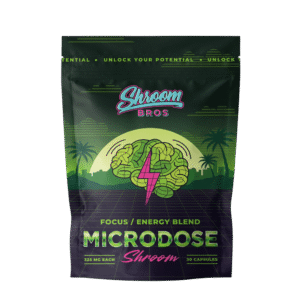
Microdose Shroom Capsules
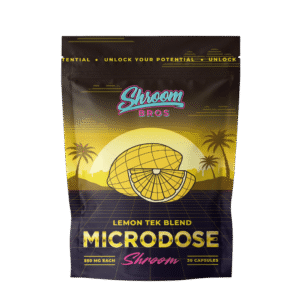
Microdose Shroom Capsules
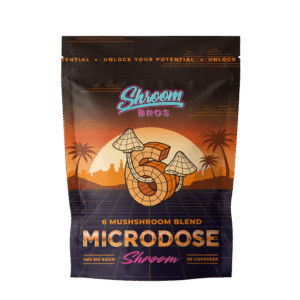
Microdose Shroom Capsules
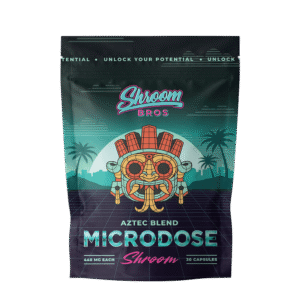
Microdose Shroom Capsules

Microdose Shroom Capsules
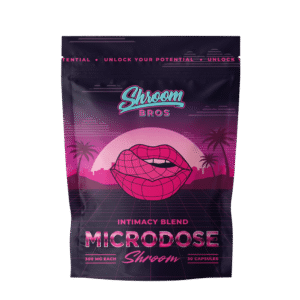
Microdose Shroom Capsules

Microdose Shroom Capsules
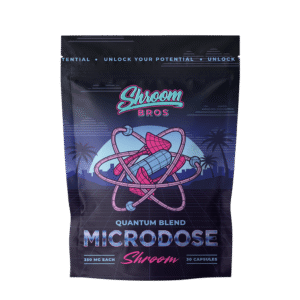
Microdose Shroom Capsules
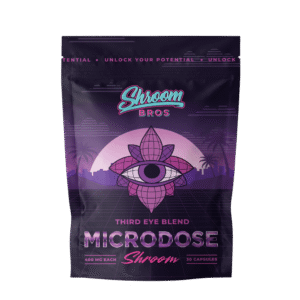
Microdose Shroom Capsules